Homecoming 2026 | Oct. 15–18
Registration is open! Register by Sept. 21 to receive a FREE Homecoming T-shirt.

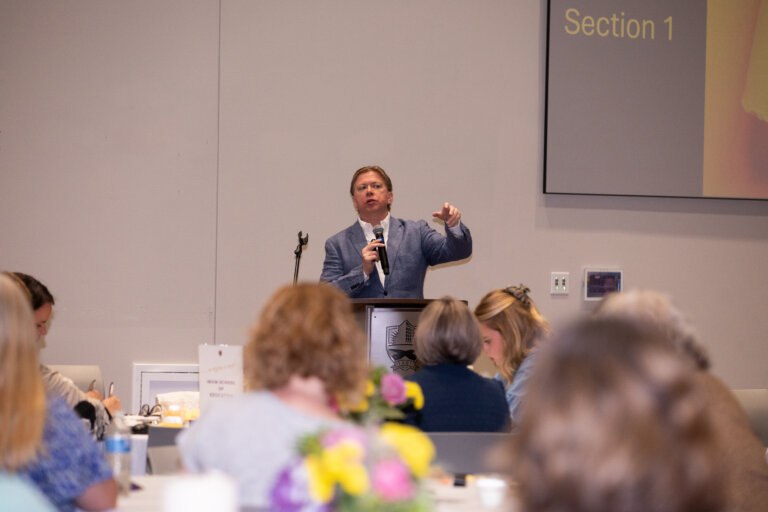
Hardin-Simmons University recently welcomed educators, administrators, specialists, and parents from across the region for the Literacy and Learning Dyslexia Institute, a professional development conference focused on the latest research and best practices in dyslexia identification and intervention.
The featured speaker was Dr. Tim Odegard, professor of psychology and holder of the Chair of Excellence in Dyslexic Studies at Middle Tennessee State University. Odegard is one of the experts who served on the International Dyslexia Association committee that developed the organization’s updated 2025 definition of dyslexia, making the conference a unique opportunity for West Texas educators to hear directly from a leader helping shape national conversations in the field.
“This conference is called the Literacy and Learning Dyslexia Institute,” said Dr. Andrea Gililland, assistant professor of educational studies at Hardin-Simmons University and organizer of the event. “We’ve invited Dr. Tim Odegard, who served on the committee for the International Dyslexia Association this past year to develop the new definition for dyslexia. He is a renowned speaker and researcher who travels all over the country training and helping school districts implement these practices.”
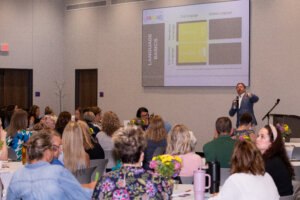 Gililland said one of her primary goals for the event was practical application.
“I hope people can take something away that they can practically apply to their classroom or to their setting,” she said. “We’ve got diagnosticians here. We’ve got special education teachers, administrators, and even parents who came. Regardless of what their setting is, people can practically apply the information here to make a difference for their kids.”
Odegard’s presentation focused on the International Dyslexia Association’s recently revised consensus definition of dyslexia and the implications of those changes for educators and students.
“That definition of dyslexia is really important because it has shaped the Texas definition and what’s been put into state law,” Odegard said. “When you have change, you have questions. So, part of what we’ll be doing today is to talk about some of the shifts that happened, why they happened, and which ones really apply to these educators in this room and how it’s going to impact their practice.”
The updated definition reflects ongoing advances in dyslexia research and understanding, making professional learning opportunities like the Literacy and Learning Dyslexia Institute especially valuable for educators working with struggling readers.
For Odegard, one of the most important messages for attendees was the encouraging reality that dyslexia can be identified and addressed effectively.
“One takeaway is that dyslexia is one of the best-identified conditions that a person can have,” he said. “Knowing what to look for and how to address it is really the key to any type of success for a child with dyslexia.”
The conference reflects HSU’s commitment to connecting West Texas educators with nationally recognized experts and research-based practices that directly benefit students and families.
As the annual conference continues to grow, HSU is already planning next year’s event. Gililland announced that Dr. Maryanne Wolf, internationally known author and researcher in the field of literacy and dyslexia, is scheduled to be the keynote speaker for next year’s conference on July 15, 2027.
Through initiatives such as the Literacy and Learning Dyslexia Institute, Hardin-Simmons University continues to serve as a resource for educators and communities across the region by bringing leading voices in education and literacy to West Texas.