The Future Is Now: HSU Summit Explores AI, Energy, and the Future of Human Flourishing
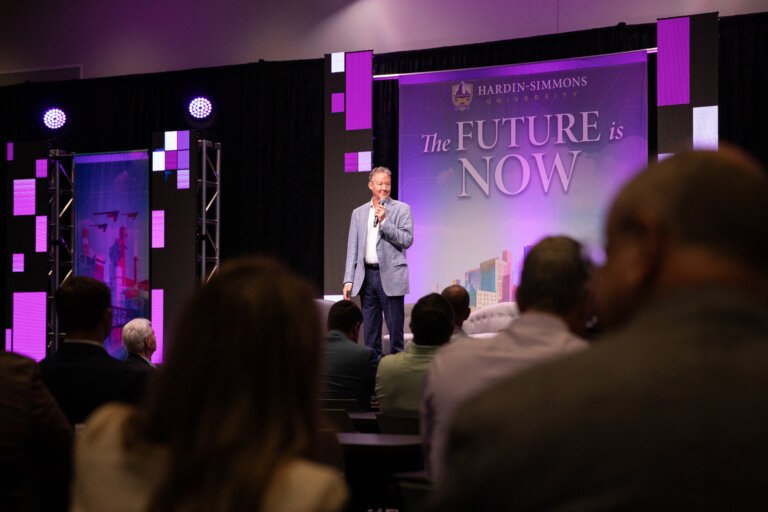
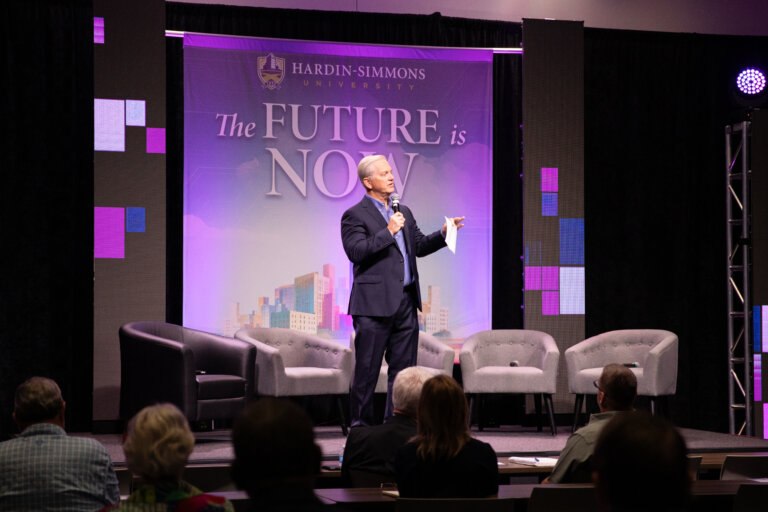
Hardin-Simmons University brought together national, regional, and local leaders in technology, energy, business, government, and public policy for its inaugural The Future Is Now: Technology & Energy Summit on Sept. 2 at the Houston-Lantrip Center.
The sold-out event examined one of the defining questions of our time: how advances in artificial intelligence, energy infrastructure, and emerging technologies can be harnessed to serve humanity while protecting freedom, security, truth, and human dignity.
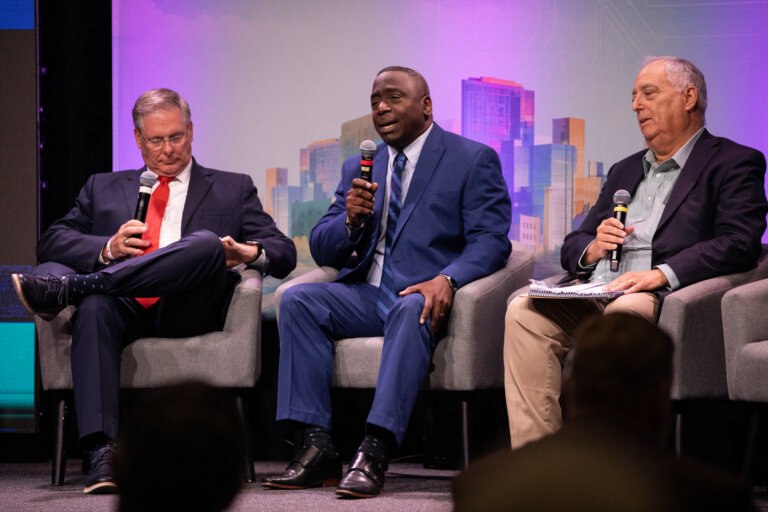
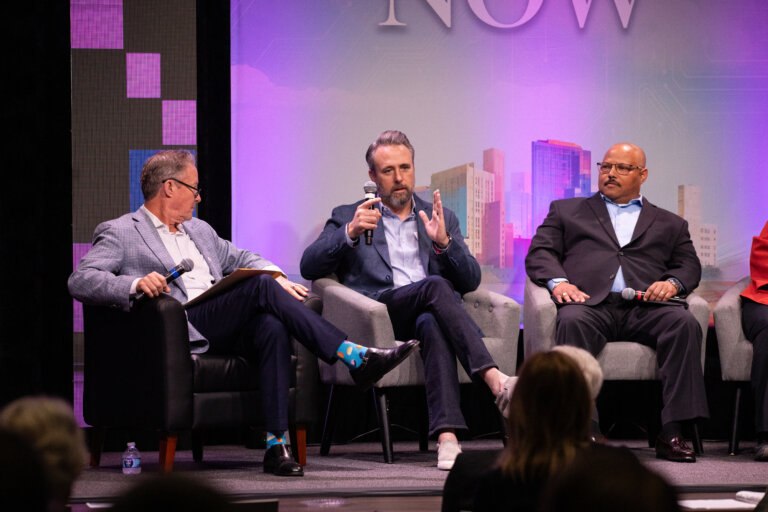
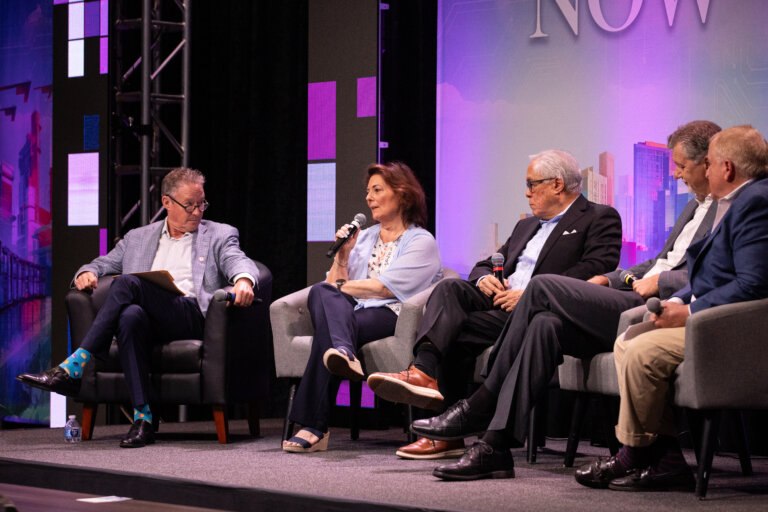
Opening the summit, HSU President Eric Bruntmyer challenged attendees to consider not only the technologies that are transforming society but also the values that should guide their development and deployment, encouraging all listeners to “stay curious.” Throughout the day, speakers explored how technological innovation is reshaping communities, economies, and the future workforce. Host Jim Claunch, partner at Bain, asked questions to each panel of speakers, sourcing many from the crowd and online viewers.
Connecting Technology and Community
A recurring theme throughout the summit was the growing intersection of artificial intelligence, data centers, energy production, and community development.
Experts from the data center, infrastructure, and technology sectors discussed the rapid growth of AI and the unprecedented demand it is creating for energy resources, digital infrastructure, and skilled workers. Discussions highlighted the opportunities these investments present for communities like Abilene and West Texas as the region continues to emerge as a hub for technological and economic growth.
Panelists including leaders from Vantage Data Centers, Google, Lancium, and other organizations examined the infrastructure required to support next-generation computing and the importance of thoughtful planning as technology expands across Texas and the nation.
Energy at the Center of Innovation
Several sessions focused on the reality that every technological breakthrough requires reliable, abundant energy.
Industry leaders explored how natural gas, electricity transmission, renewable energy resources, and emerging technologies must work together to meet rising demand generated by AI, advanced manufacturing, and data processing. Discussions emphasized the importance of balancing innovation, reliability, affordability, and sustainability as the nation’s energy needs continue to evolve.
Additional conversations addressed the critical role of fossil energy, minerals, and supply chains in supporting both current and future technologies. Speakers underscored the strategic importance of securing resources necessary for economic growth, energy security, and technological leadership.
The Science Shaping Tomorrow
Researchers and technology innovators also examined the breakthroughs that could define the coming decades.
Sessions explored advances in artificial intelligence, materials science, carbon technologies, and digital tools, highlighting how research institutions and private industry are collaborating to solve complex challenges. Panelists discussed how innovation can accelerate discovery while improving efficiency across multiple sectors of the economy.
Leadership Beyond Technology
While technology and energy were central topics, the summit continuously returned to the human dimension of innovation.
Business leaders, elected officials, community advocates, and policy experts discussed housing, infrastructure, public policy, workforce development, demographics, and community growth. Conversations focused on ensuring that rapid technological advancement benefits people and strengthens local communities.
Throughout the day, speakers emphasized the need for collaboration among industry, government, education, and civic organizations to address the opportunities and challenges created by accelerating technological change.
A Distinctly HSU Conversation
What distinguished The Future Is Now summit was its commitment to examining innovation through the lens of faith, ethics, and human flourishing.
The event brought together experts from diverse backgrounds to consider not only what technological progress makes possible, but also what responsibilities accompany that progress. From AI and cybersecurity to energy and public policy, participants explored how leadership, wisdom, and shared values can help shape a future that serves both communities and the common good.
As the summit concluded, attendees left with a shared understanding reflected in the event’s title: the future is not a distant reality. The decisions being made today about technology, energy, infrastructure, and education will shape generations to come.
Latest News