2021 Physician Assistant Capstone Research Symposium
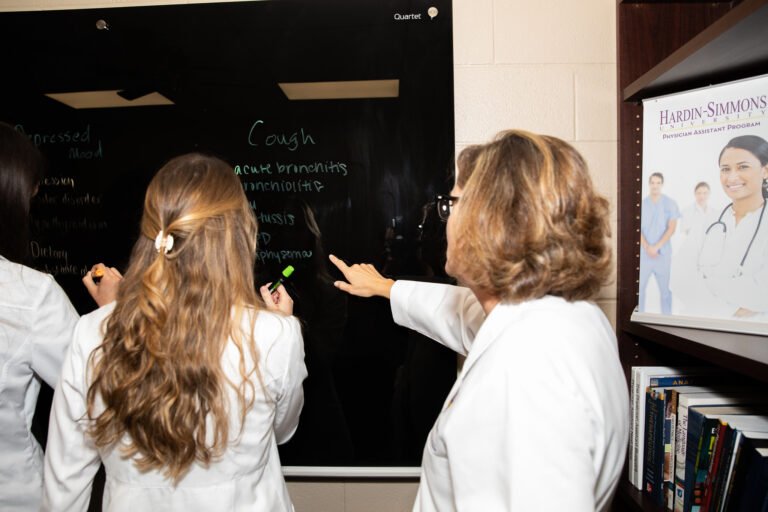
On Nov. 2, the third annual Physician Assistant Capstone Research Symposium took place at Hardin-Simmons University. The symposium takes place each fall semester to give students graduating with a Master of Physician Assistant degree the opportunity to showcase their various research projects before December graduation. 28 students presented in groups on topics within social science and hard science categories, while faculty, staff, and students reviewed the projects and asked questions.
In the first year of the Physician Assistant (PA) program, graduate students are introduced to research practices through a research seminar and faculty mentor. This is the gateway class to research best practices, and, from this class, PA students begin to work on their capstone projects to be displayed in their final semester.
These projects teach students to be proficient at obtaining information for patient care and to recognize the work and care that goes into scientific studies. Many of HSU’s PA students conduct their research as they are working in hospitals and outpatient clinics, studying for exams, and completing school assignments to stay on track for graduation.
Andrea Coffey, December 2021 graduate
One group, consisting of students Andrea Coffey, Emily Rejcek, and Shelby Wegman, chose to research test anxiety through their project titled, The Progression of Test Anxiety Among First Year Physician Assistant Students at Hardin-Simmons University: A Pilot Study. When they began their research, they discovered that, although test anxiety was a well-documented issue in medical education programs, there was no existing research on test anxiety regarding specifically PA students.
“My co-investigators and I wanted to research something that was important to us and could be utilized to better the future of PA education,” shared Coffey. “The lack of knowledge about text anxiety in PA students provided that niche for us.”
The group shared that their research involved open-ended response prompts that asked students to reflect on their experiences with test anxiety. Rather than simply relying on statistical data, this alternate avenue of garnering information from individual students’ experiences was eye-opening.
Emily Rejcek, December 2021 graduate
“Before starting to conduct research, I just thought of research as something I had to do to graduate,” said Rejcek. “However, once we decided on our research topic and began collecting data, I realized how passionate I was about the subject matter. This passion made analyzing our data incredibly interesting, made me see that I actually enjoy research, and find it rewarding. This process has honed my passion for becoming a PA educator, as I have observed test anxiety and want to help them [future PA students] overcome that.”
Another project titled Who gets skin cancer screenings? included third-year student Mehul Patel. The goal of the project was to identify the barriers that prevent patients from receiving skin cancer screenings. The group collected subjective data through an online survey form.
“With the data we received and analyzed, we are able to identify key gaps within the patient-provider relationship and use these results to better equip providers in regards to how they practice preventative medicine,” said Patel.
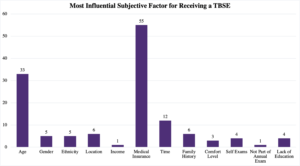
Who gets skin cancer screenings? graph from PA Symposium
The capstone project is a requirement for the Masters of Physician Assistant, however, several of the groups will go on to the regional level to present their research again at conferences.
“The symposium allowed the rest of the HSU family a glimpse into what the HSU PA Program training entails, but also highlights the roles PAs can play in conducting novel research,” stated Coffey. “I am so grateful for the support and guidance from our wonderful HSU PA faculty both during our research journey throughout the past 18 months and throughout our PA education.”
Latest News

Academic Support That Builds Strong Habits
February 6, 2026The transition to college can be overwhelming for students and parents alike. New academic expectations, heavier workloads, and increased independence require strong support systems. At Hardin-Simmons University, the Strategic Learning Initiative (SLI) equips students with the skills, structure, and academic strategies they need to succeed from the start.

Meet Your Student Government Association
January 23, 2026At Hardin-Simmons University, the Student Government Association (SGA) serves as the voice of the student body—advocating for student needs, strengthening campus community, and partnering with university leadership to enhance the student experience. Meet the students serving on this year’s Student Government Association.
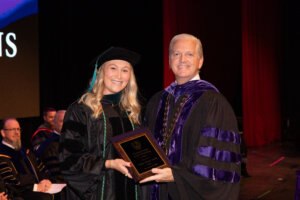
2025 December Commencement Awards
December 17, 2025Excellence in the classroom. Leadership in the clinic. Service beyond campus. Meet three Hardin-Simmons University graduates whose academic achievement, faith, and commitment to others earned them the university’s highest honors at winter commencement.