
Homecoming 2026 | Oct. 15–18
Registration is open! Register by Sept. 21 to receive a FREE Homecoming T-shirt.

Write all of the introduction content below. Only use NON
FULL-WIDTH blocks.
Full-Width blocks can be inserted
outside of this block and will wrap around the form.
Use the custom HTML block below to embed your form.
Nursing is more than a profession – it’s a calling. At Hardin-Simmons University, our Bachelor of Science in Nursing program prepares you to lead with compassion, integrity, and a Christ-centered purpose. We combine academic excellence with servant leadership to develop nurses who make a meaningful impact on healthcare and in the lives of patients, families, and communities.
Our nursing students will benefit from:
Join a community where you’re known, mentored, and equipped to lead in healthcare.
Earning your BSN opens the door to career advancement, graduate study, and leadership roles in healthcare. Employers increasingly seek BSN-prepared nurses for their advanced skills in critical thinking, patient care, and communication. At HSU, you’ll gain this foundation within a supportive, faith-filled environment.
Hardin-Simmons University School of Nursing Mission
The Hardin-Simmons University School of Nursing is dedicated to providing excellence in nursing
education enlightened by Christian faith, values, and service to individuals, families, and communities
through nurturing the mind, body, and spirit.
Nursing with Purpose at Hardin-Simmons University
At Hardin-Simmons University, nursing students develop into skilled caregivers and mission-driven leaders through a Christ-centered education. With a focus on whole person care, our program encourages students to strengthen their clinical expertise, cultural understanding, and spiritual foundation. Whether advocating for patients at the bedside or leading health initiatives in the community, students are shaped to serve with both excellence and empathy.
HSU nursing students benefit from high-fidelity simulation labs and cutting-edge healthcare technology, gaining hands-on experience with advanced tools including telehealth platforms, AI-assisted learning, and rural health simulations. This specialized training prepares our graduates to meet the unique healthcare needs of rural and underserved communities, addressing one of the nation’s most critical healthcare challenges.
Our small cohort sizes ensure that each student receives personalized mentorship and guidance. Here, you’re not just a number but your part of a community where faculty know your name, your goals, and your story. We walk alongside you on your journey to becoming a nurse leader who makes a difference.
At Hardin-Simmons, nursing education extends beyond clinical care to include service and outreach. Students participate in global and local mission work, rural health initiatives, and disability ministry partnerships. Through our collaboration with Joni & Friends, nursing students can earn a Certificate in Disability Ministry, equipping them to care for individuals with disabilities in healthcare and ministry settings.
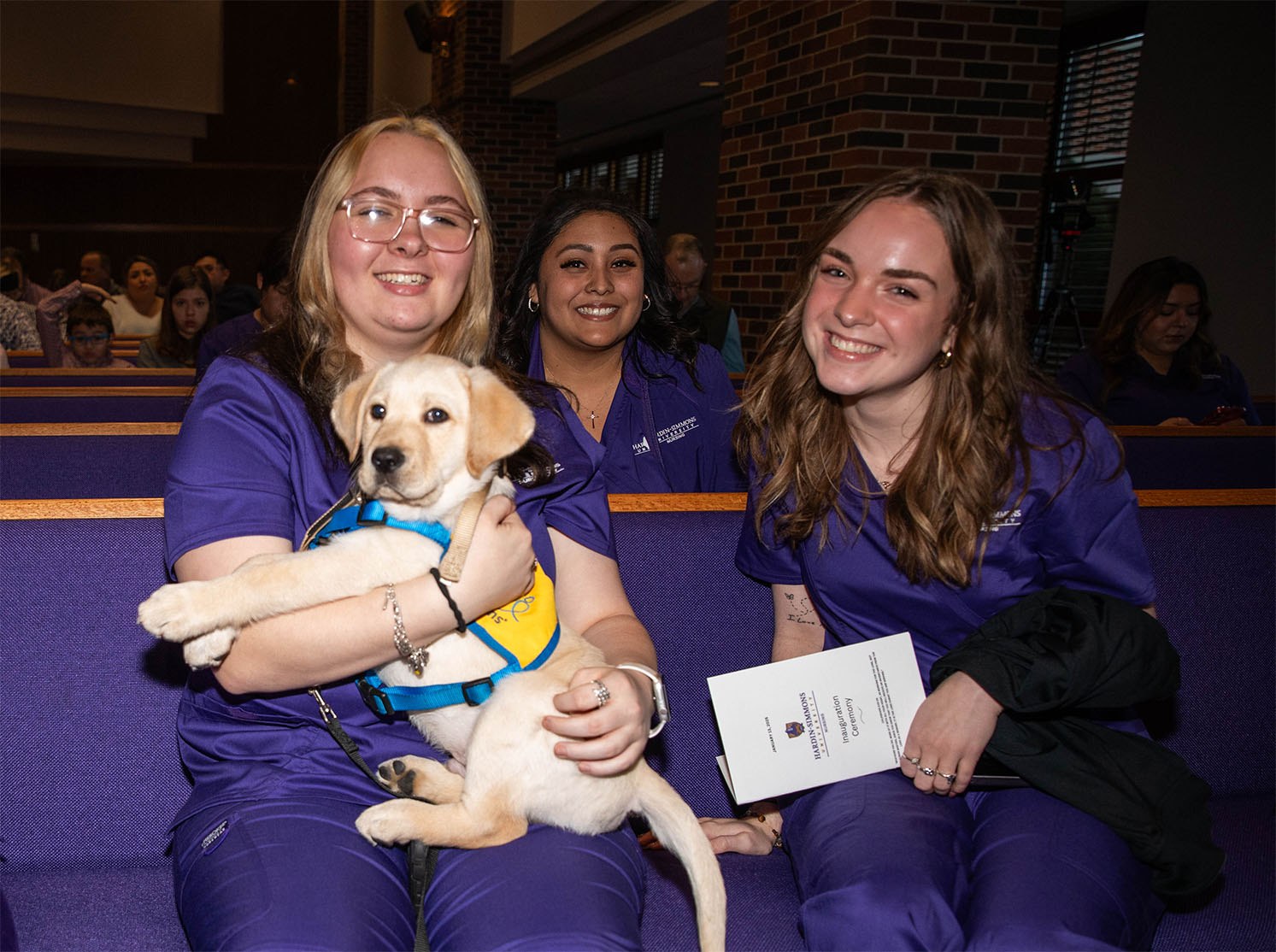
Additionally, students have the unique opportunity to engage in our Puppy Raising Program in partnership with Canine Companions, helping raise and socialize service dogs that will one day assist individuals with disabilities. This program fosters empathy, responsibility, and a deeper understanding of the connection between service animals and healthcare support.
Our strong partnerships with leading healthcare organizations such as Hendrick Medical Center, Children’s Medical Center, and faith-based healthcare systems help graduates transition into meaningful careers with confidence. Our program combines academic excellence, advanced technology, hands-on service, and a Christ-centered mission to prepare nurses for impactful careers in healthcare, ministry, and beyond.
HSU Nursing Scholarships
Hardin-Simmons University offers a variety of scholarships and grants specifically for nursing students, along with access to university-wide financial aid opportunities. These resources are designed to make your education more affordable while you pursue your calling to serve in healthcare.
Learn more about scholarships at HSU
Hendrick Health Nursing Scholarship
Hardin-Simmons University nursing students may be eligible for up to $28,000 in tuition support through a scholarship partnership with Hendrick Health, a non-profit, faith-based healthcare system. This support is offered to students who commit to serving in a critical-need nursing role at Hendrick for four years after graduation, making it a powerful opportunity to reduce educational costs while securing a purposeful career path.
Hendrick Health operates multiple locations in Abilene, including a major facility just across the street from the HSU campus, giving students convenient access to real-world experience and future employment. Aligned in mission, both HSU and Hendrick are committed to compassionate, Christ-centered care. Through this partnership, students are equipped to live out their calling—combining clinical excellence with spiritual purpose in the community they already call home.
Financial Aid Resources
Explore HSU financial aid resources
Contact our financial aid office
Program Tuition & Fees
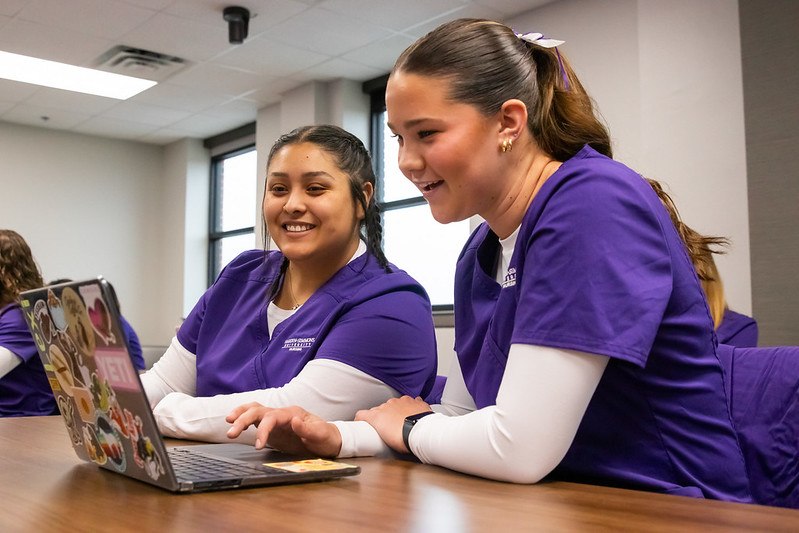
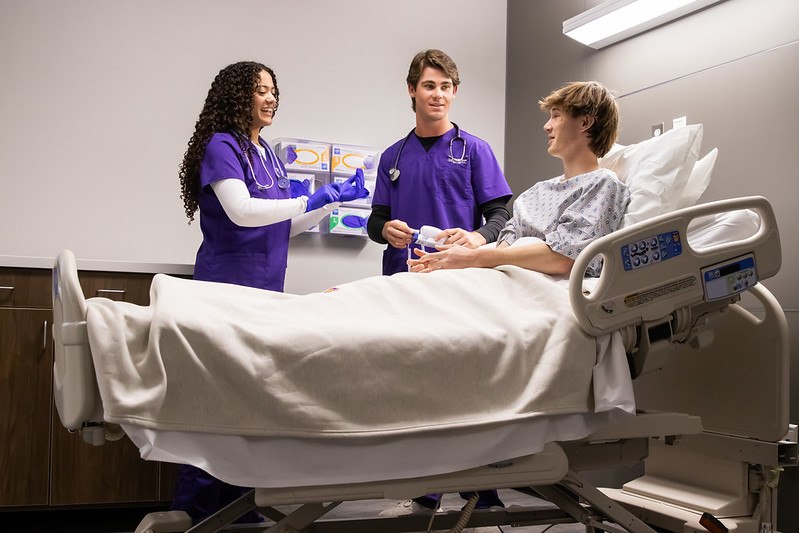
At Hardin-Simmons University, nursing students begin with an Introduction to Nursing course in their freshman year. This early exposure helps them explore the profession, understand the nurse’s role, and connect classroom learning to real-world nursing practice. It lays the foundation for academic success and a clear sense of purpose in their calling to serve others.
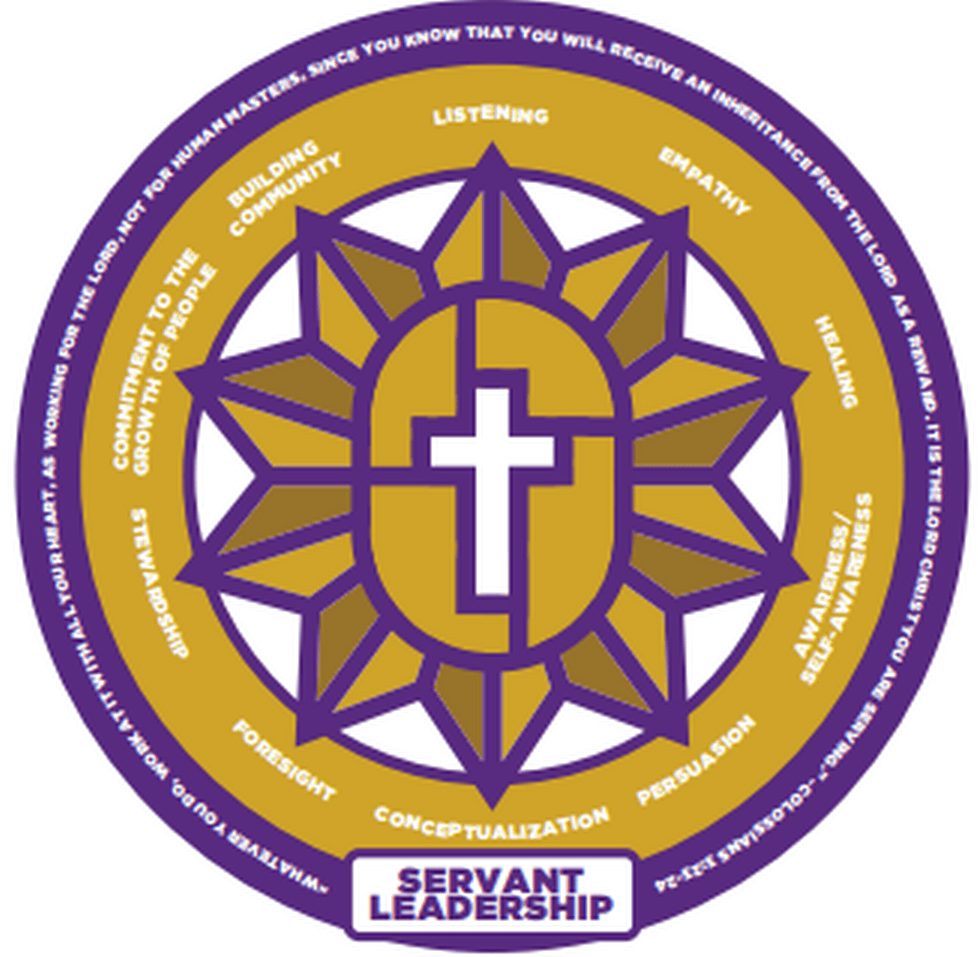
Servant leadership is central to our nursing program. Rooted in Christ-centered values, we teach students to lead with compassion, humility, and integrity. Our graduates are prepared to care for the whole person by addressing physical, emotional, and spiritual needs, and to lead with excellence in any healthcare setting.
Students in the nursing program partner with Canine Companions as part of a one-of-a-kind experience at HSU. Each year, a service puppy becomes part of the HSU Nursing family, cared for by students before continuing training to serve individuals with disabilities. The puppy is shared with Hendrick Health, giving students the chance to connect with the hospital while practicing compassion, responsibility, and care.
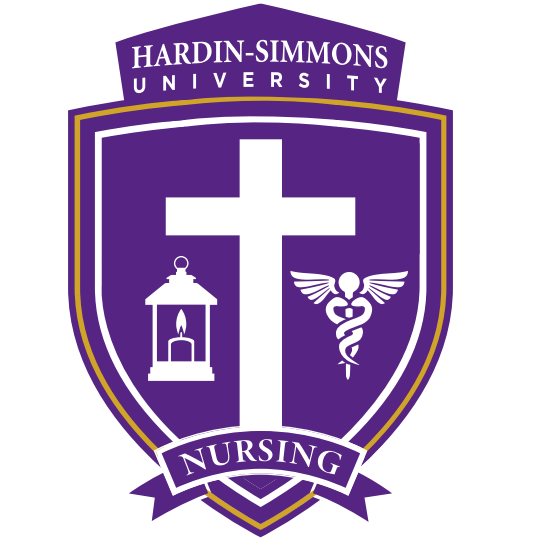
At the center of the Hardin-Simmons University nursing pin is a cross, symbolizing the university’s foundation in Christian faith and its commitment to excellence in education enlightened by those values.
Above the cross, “Hardin-Simmons University” is shaped like a classic nursing hat, honoring the proud history and tradition of nursing. Below the cross is a lantern inspired by Florence Nightingale’s “Lady with the Lamp,” representing guidance and hope. The Rod of Asclepius, the staff with a single serpent, connects graduates to a timeless commitment to health and recovery.
Together, these elements embody the faith, dedication, and servant heart that define every nurse who proudly wears the Hardin-Simmons University pin.
Inspired by Robert K. Greenleaf’s philosophy, HSU nursing students are trained to lead by serving.
“…The great leader is seen as servant first…” – Robert K. Greenleaf
Our approach emphasizes:
“Anyone who wants to be first must be the very last, and the servant of all.” – Mark 9:35 (NIV)
Nursing is a remarkably diverse field of study. Many graduates enter the field of nursing in medical settings. However, graduates of our B.S.N. programs also go on to work in community settings, physician offices, mental health clinics, and missionary positions that take them across the globe. Our graduates go on to work at prestigious organizations such as Hendrick Health.
On top of the personal and professional satisfaction you’ll feel helping others every day in a career you love, you’ll also benefit from amazing job security. The Bureau of Labor Statistics (BLS) predicts that health care occupations such as nursing will grow 16 percent over the next decade, adding more jobs than any other occupational field.
The estimated salary of alumni from our BSN program is $79,231.
Admission to HSU does not guarantee entry into the School of Nursing (SON). Admission to the School of Nursing requires a separate application process. Applications are reviewed holistically by our Admission, Progression, and Retention Committee.
Minimum Admission Requirements
Students seeking entrance into the nursing program will be evaluated based on present admission criteria. In the case of competitive admissions, requirements over and above the minimum may be necessary.
HSU SON employs a holistic admission process when considering nursing student applicants. See the HSU SON Holistic
| Exceeds Standards | Meets Standards | Below Standard | Points | |
| Cumulative/Career GPA | 3.6-4.0 20 points | 3.0-3.5 15 points | <3.0 0 points | |
| Completed Pre-nursing Science Courses GPA Minimum of 2 of the following: A&P I, A&P II, Chem, & Microbiology | 3.6-4.0 20 points | 3.0-3.5 15 points | <3.0 0 points | |
| # of Pre-nursing Science Course Repeats | No course repeats 20 points | 1 course repeat 10 points | >1 course repeat 0 points | |
| TEAS Results Total academic preparedness level for all combined subjects (Reading, Math, Science, & English/Language Usage) | Exemplary/Advanced 20 points | Proficient 15 points | Basic/Developmental 10 points | |
| Video Interview: Please use the Video Interview Rubric to share examples of how you have shown accountability, collaboration, and professionalism through community service, work experience, and/or cultural experiences. Your video should be a maximum of 5 minutes long and should be uploaded to NursingCAS. | From Video Rubric [16-25 points] 20 points | From Video Rubric [8-15 points] 10 points | From Video Rubric [3-7 points] 5 points | |
| Total | ||||
| Exceeds Standard | Meets Standard | Below Standard | Points | |
| Accountability & Responsibility | Takes responsibility for completing tasks. Takes ownership of project/task outcomes. Consistently delivers on commitments. Completes tasks with minimal supervision. 5 points | Takes responsibility for completing tasks. Does not discuss ownership of project/task outcomes. Gets to work on time and completes daily tasks. 3 points | Does not mention taking responsibility for completing tasks. Does not discuss ownership of project/task outcomes. Does not observe punctuality. 0 points | |
| Collaboration | Discusses collaboration on projects. Discusses shared responsibility for the creation of ideas. Positive team member. 5 points | Discusses collaboration on projects but does not discuss sharing responsibility. Seldom contributes to the team. 3 points | Does not offer ideas or participate in teamwork. 0 points | |
| Professionalism | Consistently displays exceptional professionalism. Demonstrates ethical behavior and integrity. Adheres to professional standards and codes of conduct. Displays appropriate dress and demeanor. 5 points | Displays satisfactory professionalism with occasional room for improvement. 3 points | Professionalism is lacking and needs substantial improvement. 0 points | |
| Community Service, Work Experience, and/or Cultural Experience | Discusses 3 types of experience (community, work, and/or cultural) 5 points | Discusses 2 types of experience (community, work, and/or cultural) 3 points | Does not discuss experience (community, work, and/or cultural) 0 points | |
| Organization of Ideas | Very well organized. Consistently logical flow of ideas within the video. 5 points | Fairly well organized. The logical flow of ideas within the video is apparent but occasionally lacking. 3 points | Not organized. No logical flow of ideas within the video. 0 points | |
| Total Points | ||||
To continue in the program, students must earn at least 75% in all nursing courses.
Course grades (assignments, exams, quizzes, final grades, etc.) will not be rounded but will be carried to two (2) decimal places.
A grade of 74.5-74.9 will not be rounded to 75.
The HSU School of Nursing’s Admission, Progression, and Retention Committee reviews the records of all potential transfer students.
Students seeking transfer from another nursing program must be in good standing with that school. A prospective transfer student who does not meet HSU SON admission criteria or who has two or more previous nursing course failures, defined as a course grade of less than “2.5” may not be eligible for admission to the HSU SON Program.
Students planning to take any prerequisite courses at another college should seek guidance from the HSU registrar’s office before enrolling in the course(s) to avoid problems with transferring credits.
| FRESHMAN | |||||
| FALL TERM (Fr I) | SPRING TERM (Fr II) | ||||
| ENGL 1301/1302 | Written Communication | 3 | HIST or PHIL | History or Philosophy Core | 3 |
| PSYC 1301 | Intro to Psychology | 3 | ENGL 2300 | Literature Survey | 3 |
| *BIOL 2402/2002 Lab | Anatomy & Physiology I | 4 | *BIOL 2403/2003 Lab | Anatomy & Physiology II | 4 |
| *CHEM 1401/1001 Lab or CHEM 1410/1010 Lab | Essentials of Chemistry I or General Chemistry I | 4 | *BIOL 2405/2005 Lab | Public Health Microbiology | 4 |
| *MATH 1310 | College Algebra | 3 | NUR 1201 | Intro to Professional Nursing | 2 |
| 17 | 16 | ||||
| SOPHOMORE | |||||
| FALL TERM (So I) | SPRING TERM (So II) | ||||
| ENGL 1301/1302/3300 | Written Communication | 3 | PSYC, ECON, POLS, SOCI | Social Science Core | 3 |
| NUR 2301 | Pathophysiology for Nursing Practice | 3 | NUR 2607/2007 Clinical | Medical-Surgical Nursing Care I | 6 (3:3) |
| NUR 2303/2003 Lab | Health Assessment for Nursing Practice | 3 (2:1) | NUR 2209 | Health Promotion & Disease Prevention Across the Lifespan | 2 |
| NUR 2605/2005 Clinical | Fundamentals of Nursing Care | 6 (3:3) | NUR 2311 | Pharmacology for Nursing Practice | 3 |
| 15 | 14 | ||||
| JUNIOR | ||||||
| FALL TERM (Jr I) | SPRING TERM (Jr II) | |||||
| COMM 1301 | Communications/Speech | 3 | Fine Arts | Art, Music, Theatre | 3 | |
| HIST or PHIL | History or Philosophy Core | 3 | STAT 2312 | Elementary Statistics | 3 | |
| NUR 3601/3001 Clinical | Maternal-Newborn & Pediatric Nursing Care | 6 (3:3) | NUR 3605/3005 Clinical | Medical-Surgical Nursing Care II | 6 (3:3) | |
| NUR 3403/3003 Clinical | Psychiatric & Mental Health Nursing Care | 4 (2:2) | NUR 3407/3007 Clinical | Community & Public Health Nursing Care | 4 (2:2) | |
| 16 | 16 | |||||
| SENIOR | |||||
| FALL TERM (Sr I) | SPRING TERM (Sr II) | ||||
| BIBL 1301/1302 or RELI 2345 | Biblical Studies | 3 | BIBL 1301/1302/2345 | Biblical Studies | 3 |
| KINE 1170 | Wellness for Life | 1 | KINE Activity | Activity Course/Sport/Dance | 1 |
| NUR 4303 | Nursing Research for Evidence-Based Practice | 3 | NUR 4707/4007 Clinical | Transition to Professional Nursing Practice | 7 (3:4) |
| NUR 4601/4001 Clinical | Advanced Medical-Surgical Nursing Care | 6 (3:3) | NUR 4205 | Leadership & Nursing Care Management | 2 |
| 13 | 13 | ||||
| SON Course ID, Course Name, and Course Description | ||
| Course ID | Course Name | Course Description |
| NUR 1201 | Introduction to Professional Nursing | This course introduces the nursing profession, including its historical roots, current national trends, and the importance of interdisciplinary collaboration and evidence-based practice in healthcare. This course also explores the role of nursing in Christian service and the development of a professional identity. |
| NUR 2301 | Pathophysiology for Nursing Practice | This course concentrates on altered physiological processes that underlie disease or illness, covering the basic concepts of cellular and molecular biology, genetics, and the body’s response to injury or infection. |
| NUR 2303/2003 (L) | Health Assessment for Nursing Practice | This course focuses on developing the knowledge and skills needed to conduct a comprehensive health assessment, utilizing effective communication techniques and physical examinations while interpreting the findings of a patient’s physical, psychological, social, and spiritual well-being. Lab (L) – In the health assessment clinical learning experience, nursing students are introduced to the fundamental skills needed to conduct thorough health assessments of patients across the lifespan. This hands-on component of the course takes place in a simulated clinical environment. |
| NUR 2605/2005 (Cl) | Fundamentals of Nursing Care | This course covers the fundamental principles of professional nursing and the basic nursing skills required to deliver safe and evidence-based patient-centered care for the adult and older adult populations. Clinical (Cl) – Clinical learning experiences in this course introduce students to the foundational principles of nursing care. Students will practice essential nursing skills, such as patient assessment, vital sign monitoring, and basic patient care in a supervised clinical setting and simulation lab. They will learn to provide safe and compassionate care to patients while developing their clinical judgment. |
| NUR 2311 | Pharmacology for Nursing Practice | This course focuses on the different drug classifications, their pharmacokinetic properties, and their expected therapeutic outcomes while emphasizing the safety, responsibility, and accountability of nursing actions related to medication administration. |
| NUR 2209 | Health Promotion & Disease Prevention Across the Lifespan | This course explores the determinants and disparities affecting the health of individuals, families, and vulnerable populations across the lifespan and how these factors influence optimal health or sudden illness in rural and urban settings. |
| NUR 2607/2007 | Medical-Surgical Nursing Care I | This course emphasizes the principles of professional nursing care in rural and urban settings for adult and older adult patients experiencing acute and/or chronic health alterations that require medical or surgical intervention and incorporates the utilization of information and healthcare technologies. |
| NUR 3601/3001 (Cl) | Maternal-Newborn & Pediatric Nursing Care | This course focuses on developing the knowledge and skills necessary to provide safe and effective family-centered nursing care for women during pregnancy, childbirth, and the postpartum period, as well as for newborns and children from birth to adolescence. Clinical (Cl) – The Maternal-Newborn portion of this course’s clinical experiences revolve around the care of pregnant women, newborns, and children. Students participate in prenatal clinics, labor and delivery units, and postpartum care. They assist in childbirth, practice neonatal assessments, and support the physical and emotional well-being of mothers and infants. Clinical learning in pediatric nursing focuses on caring for infants, children, and adolescents. Students gain hands-on experience in pediatric units, pediatric clinics, and pediatric specialty areas. They learn to assess growth and development, administer pediatric medications, and provide family-centered care. |
| NUR 3403/3003 (Cl) | Psychiatric & Mental Health Nursing Care | This course focuses on developing the knowledge and skills necessary to provide safe and effective patient-centered nursing care for individuals with psychiatric and mental health disorders in various settings, including acute care facilities, community-based programs, and private practice, while promoting their autonomy, dignity, and quality of life. Clinical (Cl) – Clinical rotations in psychiatric-mental health nursing take place in psychiatric facilities, community mental health centers, and outpatient settings. Students learn to assess mental health conditions, provide therapeutic interventions, and engage in the care of individuals with psychiatric disorders. |
| NUR 3605/3005 | Medical-Surgical Nursing Care II | This course further explores professional nursing care for adult and older adult patients experiencing acute and/or chronic health alterations that require medical or surgical intervention and incorporates the utilization of information and healthcare technologies. |
| NUR 3407/3007 (Cl) | Community & Public Health Nursing Care | This course focuses on developing the knowledge and skills necessary to provide safe and effective patient-centered care for individuals, families, and populations through community-oriented and population-focused nursing while exploring the significance of environment, social justice, advocacy, interprofessional teamwork, and cultural awareness. Clinical (Cl) – Community health clinical experiences involve working with diverse populations in community settings. Students participate in health promotion, disease prevention, and community assessment activities. They collaborate with public health agencies, schools, and community organizations to address community health needs. |
| NUR 4601/4001 (Cl) | Advanced Medical-Surgical Nursing Care | This course expands on previously acquired medical-surgical knowledge and skills for the provision of nursing care for high-risk, unstable, critically ill patients and their families. Clinical (Cl) – In critical care nursing, students gain exposure to high-acuity environments like intensive care units (ICUs) and emergency departments. They learn to care for critically ill patients, manage complex medical equipment, and make rapid clinical decisions. |
| NUR 4303 | Nursing Research for Evidence-Based Practice | This course introduces basic research concepts applicable to professional nursing practice, utilizing critical thinking skills and enhancing engagement in evidence-based practice by reading, critically appraising, and synthesizing research. |
| NUR 4205 | Leadership & Nursing Care Management | This course explores organizational strategies, leadership theories, and societal trends with implications for decision-making in healthcare while incorporating the standards of ethical professional nursing practice and the principles of servant leadership. |
| NUR 4707/4007 (Cl) | Transition to Professional Nursing Practice | This course facilitates the transition of the nursing student to the role of a professional nurse, applying the knowledge, traits, competencies, and skills of the profession to the practice setting. Clinical (Cl) – In this course, a precepted clinical learning experience bridges academic knowledge and professional nursing practice. Paired with experienced nurse preceptors, students apply their skills, develop critical thinking, refine communication, and cultivate professionalism in real healthcare settings. They engage in hands-on patient care, prioritize tasks, and navigate ethical challenges, receiving continuous feedback to foster competence and confidence. This immersive experience prepares students to transition seamlessly into the role of a professional nurse, integrating theory with practice and upholding the highest standards of patient care and ethical conduct. |
Learning outcomes build in complexity each year, starting with foundational knowledge in the freshman year and advancing to clinical application by senior year.
Program Outcomes
Clinical Objectives
My educational journey has been deeply enriching. I earned my diploma in nursing from Nebraska Methodist College of Nursing in Omaha, Nebraska, followed by a Bachelor of Science in Nursing (BSN) from the University of Detroit Mercy in Detroit, Michigan. I completed my Master of Science in Nursing (MSN) at Regis University in Denver, Colorado, where I embraced the principles of servant leadership. This philosophy continues to guide my professional practice. I went on to earn my PhD in Nursing at New Mexico State University in Las Cruces, New Mexico, where my doctoral studies focused on health disparities and underserved populations. My research focuses on nursing workforce development, particularly in Social Identity Theory, leadership, and mentoring. I am especially interested in strategies to improve staff satisfaction and retention, advance rural health access, expand the use of telehealth, and promote healthcare equity through faculty and student mentorship.
My educational journey has been deeply enriching. I earned my diploma in nursing from Nebraska Methodist College of Nursing in Omaha, Nebraska, followed by a Bachelor of Science in Nursing (BSN) from the University of Detroit Mercy in Detroit, Michigan. I completed my Master of Science in Nursing (MSN) at Regis University in Denver, Colorado, where I embraced the principles of servant leadership. This philosophy continues to guide my professional practice. I went on to earn my PhD in Nursing at New Mexico State University in Las Cruces, New Mexico, where my doctoral studies focused on health disparities and underserved populations. My research focuses on nursing workforce development, particularly in Social Identity Theory, leadership, and mentoring. I am especially interested in strategies to improve staff satisfaction and retention, advance rural health access, expand the use of telehealth, and promote healthcare equity through faculty and student mentorship.
I have dedicated nearly 40 years to nursing, specializing in leadership, critical care, and case management. Throughout my career, I have been privileged to hold various leadership roles in both clinical and academic settings. My hospital experience includes serving as a hospital supervisor, while my academic leadership positions have included Chief Academic Officer (CAO), faculty, Director of Nursing, Associate Dean of Nursing, and Dean. These roles have afforded me the opportunity to influence nursing practice and education at multiple levels, from bedside care to academic policy.
I hold certifications as a Certified Case Manager (CCM), a Certified Nurse Educator (CNE), and in Telehealth, reflecting my commitment to excellence in both clinical practice and nursing education.
My teaching experience spans undergraduate and graduate nursing programs, and I have also served as a faculty chair for master’s and doctoral students. Beyond the classroom, I have actively advocated for the nursing profession at both the state and national levels. As a nurse educator, I find immense joy and fulfillment in shaping the next generation of nursing professionals. I truly cannot envision a career more rewarding than this.
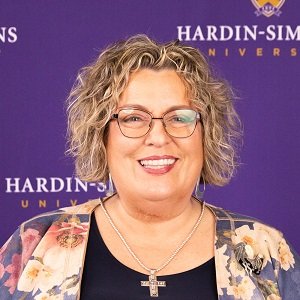
Sandra Welling
Associate Dean/Founding Director of Nursing Education
Professor of Nursing
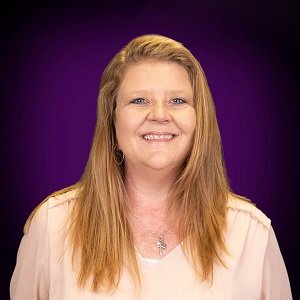
Martha Hartranft
Director of Nursing Compliance and Student Success
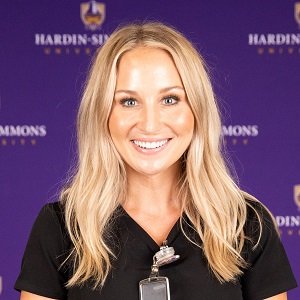
Katie Martin
Clinical and Simulation Coordinator
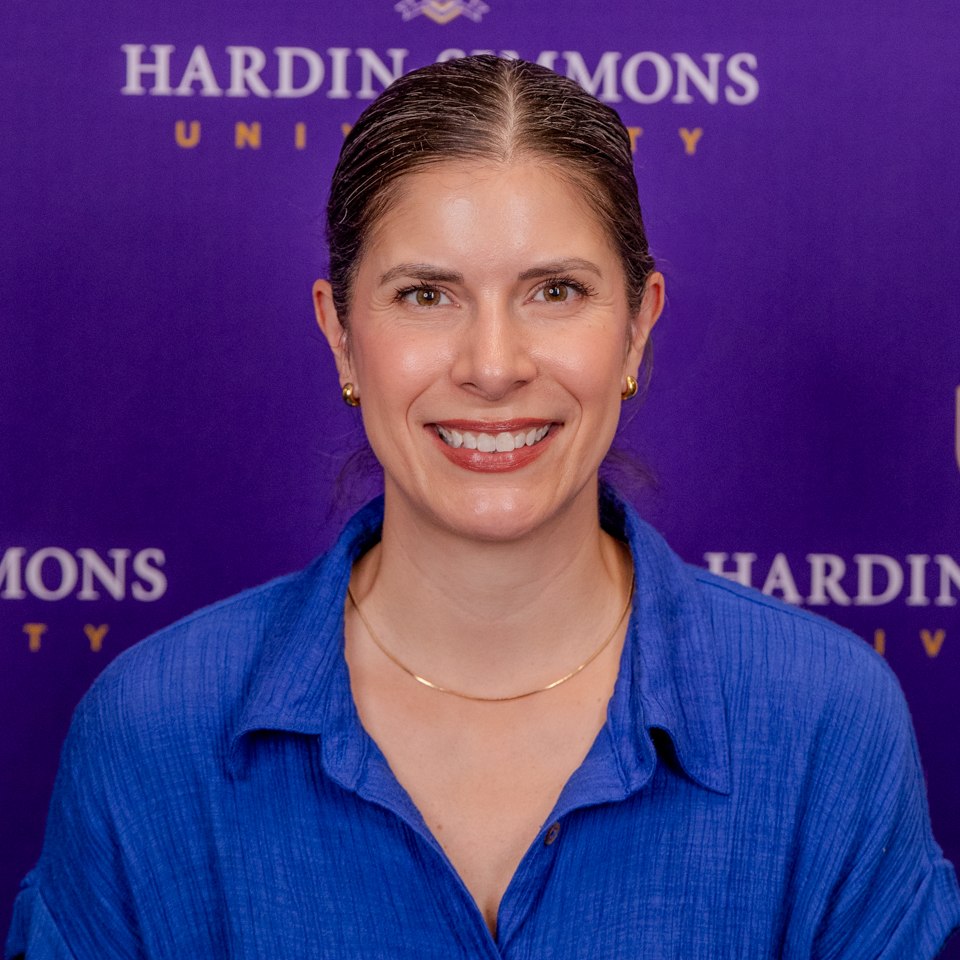
Emily Ritchey
Associate Professor of Nursing
Jennifer Flemming
Administrative Assistant
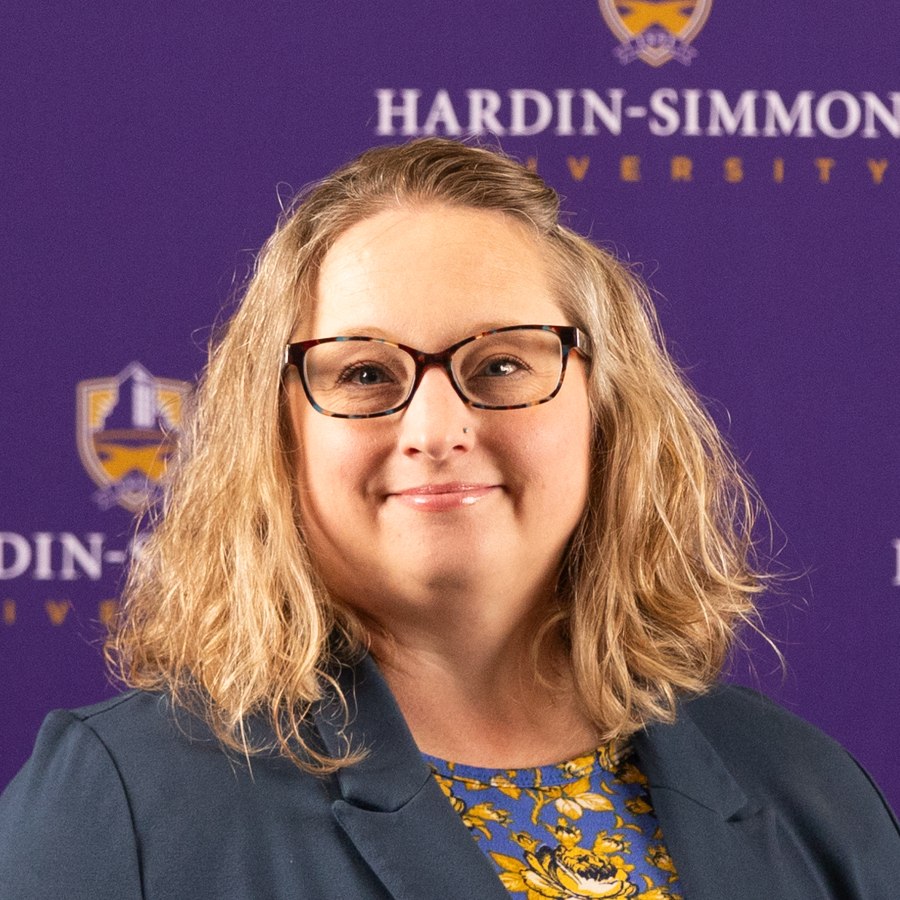
Aaron Duebner
Assistant Professor of Nursing

Edith Kissick
Instructor of Nursing
HSU SON has adopted the unprofessional conduct rules as delineated by the Texas Board of Nursing, Nursing Practice Act (2021). Students are expected to be familiar with both the Code of Ethics and the Texas Nursing Practice Act Rule 217.11 & 217.12. The faculty of the School of Nursing have adopted the following policy:
Failure to honor the basic ethical rights of the patient/client may result in immediate dismissal from HSU SON program.
Click this link to access: Nursing, Nursing Practice Act (2021)
The DECs describe the outcomes for graduates of the Texas prelicensure BSN programs and they ensure that graduates have received the preparation to practice at their educational level as safe, competent entry-level nurses. The DECs provide a common standard of expectation in practice abilities of new nursing graduates as they seek employment in health care settings.
The Core Competencies of Graduates of Baccalaureate Degree Nursing Education (TXBON, 2021) include:
“The Essentials: Core Competencies for Professional Nursing Education” is a set of guidelines and standards developed by the American Association of Colleges of Nursing (AACN) to outline the fundamental skills and knowledge nurses should acquire during their education and training. These essentials serve as a framework for nursing education programs to ensure that nursing students are adequately prepared to provide safe and effective patient care.
The Essentials Domains include:
The Essentials ensure that nursing graduates are well-prepared to meet the complex healthcare needs of diverse patient populations and to adapt to the evolving healthcare landscape. The AACN periodically revises and updates these essentials to reflect changes in healthcare practice and the evolving role of nurses.
To read more about the AACN BSN Essentials (2021) are located at:
HSU SON uses the ANA Code of Ethics and the Texas Board of Nursing Practice Act to educate and prepare students for ethical, legal, and professional practice. These documents provide a framework for nursing education, helping students understand their ethical and legal responsibilities while promoting high standards of patient care and professionalism.
American Nurses Association (ANA) Code of Ethics for Nurses
The Code of Ethics for Nurses with Interpretive Statements (The Code) was developed as a guide for carrying out nursing responsibilities in a manner consistent with quality in nursing care and the ethical obligations of the profession.
“The ANA Code of Ethics is the foundation to nursing theory, practice, and praxis in its expression of the values, virtues, and obligations that shape, guide, and inform nursing as a profession, and it serves the following purposes:
| Provision 1 | The nurse practices with compassion and respect for the inherent dignity, worth, and unique attributes of every person. |
| Provision 2 | The nurse’s primary commitment is to the patient, whether an individual, family, group, community, or population. |
| Provision 3 | The nurse promotes, advocates for, and protects the rights, health, and safety of the patient. |
| Provision 4 | The nurse has authority, accountability, and responsibility for nursing practice; makes decisions; and takes action consistent with the obligation to provide optimal patient care. |
| Provision 5 | The nurse owes the same duties to self as to others, including the responsibility to promote health and safety, preserve wholeness of character and integrity, maintain competence, and continue personal and professional growth. |
| Provision 6 | The nurse, through individual and collective effort, establishes, maintains, and improves the ethical environment of the work setting and conditions of employment that are conducive to safe, quality health care. |
| Provision 7 | The nurse, in all roles and settings, advances the profession through research and scholarly inquiry, professional standards development, and the generation of both nursing and health policy. |
| Provision 8 | The nurse collaborates with other health professionals and the public to protect human rights, promote health diplomacy, and reduce health disparities. |
| Provision 9 | The profession of nursing, collectively through its professional organizations, must articulate nursing values, maintain the integrity of the profession, and integrate principles of social justice into nursing and health policy. |
American Nurses Association. (2015). Code of ethics with interpretative statements. American Nurses Association.
https://www.nursingworld.org/practice-policy/nursing-excellence/ethics/code-of-ethics-for-nurses
The baccalaureate degree in nursing at Hardin-Simmons University is pursuing initial accreditation by the Commission on Collegiate Nursing Education (www.ccneaccreditation.org). Applying for accreditation does not guarantee that accreditation will be granted.
We are pleased to announce that the Hardin-Simmons University School of Nursing will host our initial accreditation visit from the Commission on Collegiate Nursing Education (CCNE) on September 15–17, 2025.
As part of the accreditation process, CCNE invites written third-party comments from our community. This is an opportunity for students, faculty, alumni, clinical partners, and other supporters to share feedback related to the nursing program’s quality and alignment with CCNE accreditation standards.
We are grateful for the opportunity to share the mission and work of our Christ-centered nursing program and are thankful for the support of our HSU community.
Comments must be written in English and received by CCNE no later than August 25, 2025. Please send all comments directly to:
thirdpartycomments@ccneaccreditation.org
To learn more about the Commission on Collegiate Nursing Education, please visit www.ccneaccreditation.org.
Thank you for joining us in prayer and partnership as we prepare for this important milestone.